

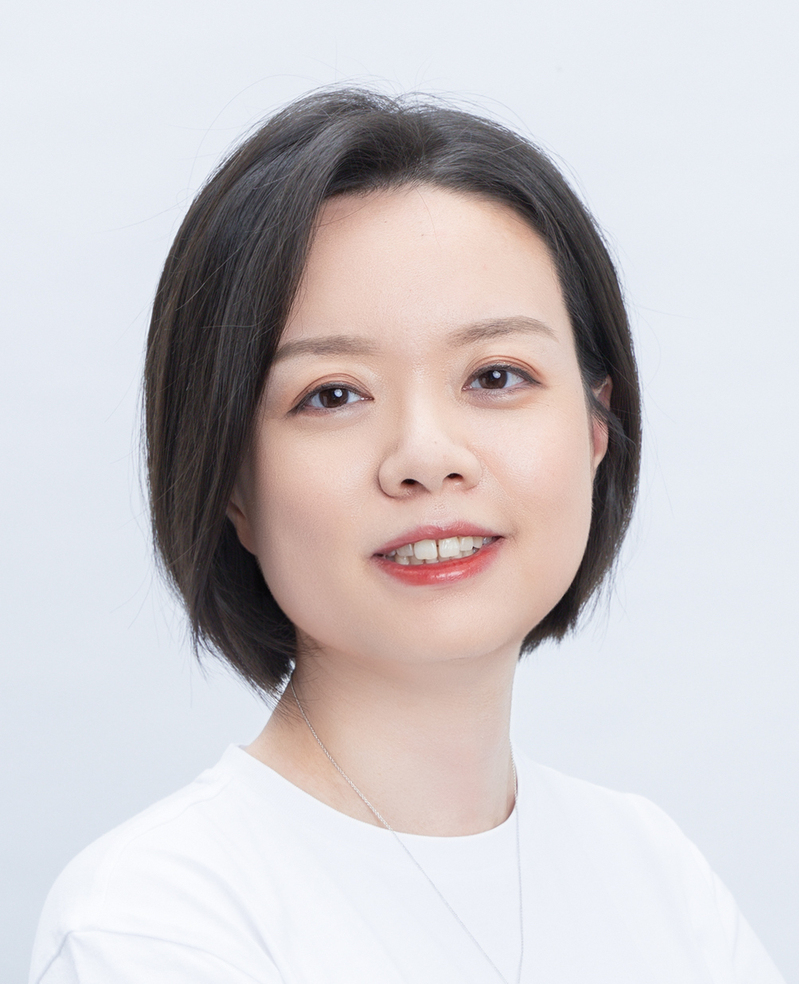
教师基本信息:
姓名:于淼
职称:准聘副教授(博士生导师、课题组长)
电子邮箱:miaoyu@fudan.edu.cn
办公地点:复旦大学生命科学学院E201-8室
办公电话:021-31246677
研究方向:
本课题组通过开发和应用三维基因组、表观基因组及单细胞多组学实验与分析技术,解析染色质空间结构与表观遗传调控在基因表达、细胞命运决定及细胞状态转换中的作用机制。主要研究方向包括:
1. 单细胞染色质空间结构与基因表达调控
开发单细胞三维基因组研究技术与分析方法,解析不同层级染色质空间结构的组织规律及细胞间异质性,探究其调控基因表达的分子机制。
2. 表观遗传调控与细胞命运决定
整合单细胞转录组和表观基因组数据,解析哺乳动物胚胎发育等过程中染色质状态与基因表达程序的动态变化规律,揭示表观遗传调控在细胞谱系分化和命运决定中的作用。
3. 细胞状态转换与组织功能调控
结合三维基因组与单细胞多组学技术,研究不同生理及病理条件下染色质结构与基因调控网络的动态重塑,探索其在细胞状态转换、组织稳态维持及损伤修复中的作用机制。
个人简介:
于淼,复旦大学生命科学学院准聘副教授、博士生导师。2010年获北京大学学士学位,2015年获美国芝加哥大学博士学位,2015—2020年在美国路德维希癌症研究所圣迭戈分所从事博士后研究,2020年加入复旦大学生命科学学院并建立独立课题组。
主要从事三维基因组、单细胞多组学及表观遗传调控研究,在单细胞三维基因组分析方法开发、染色质空间结构与基因表达调控机制,以及发育过程中的表观遗传调控等方面取得系列研究成果。相关成果发表于Science Advances、Nature Methods、Molecular Cell、Nature Structural & Molecular Biology、Nature Communications等期刊。
入选国家自然科学基金优秀青年科学基金项目(海外)及上海市白玉兰人才计划;主持国家自然科学基金面上项目,参与两项国家重点研发计划项目,分别担任子课题负责人和课题骨干;并担任中国生物信息学学会表观遗传信息学专业委员会常务委员。
授课情况:
本科生课程:《表观遗传学》《遗传学》《分子生物学》《基因组学》《系统科研训练》;研究生课程:《基因组学》。
招生专业:
遗传学、生物信息学
代表性论文和论著:
1. Chen, Z.†, Li, X.†, Dai, Y.†, et al., Yu, M.* (2026). CTCF aligns single-cell TAD-like domain boundaries and stabilizes long-range active chromatin clusters. Science Advances, 12, eaee2863.
2. Sun, W.†, Wu, N.†, Xia, M.†, et al., Zhang, L.*, Yu, M.*, Wang, X.*, Yan, J.* (2026). NuRD-enabled CTCF-TET crosstalk orchestrates epigenome reprogramming and genome architecture. Molecular Cell, 86, 2617–2634.e11.
3. Sun, S.†*, Jiang, Y.†, Huang, F.†, et al., Yu, M.*, Tang, X.*, Lin, X.* (2025). Single-cell multiomics analysis reveals CTCF as a key regulator of lung morphogenesis and progenitor maintenance. Nature Communications, 16, 10729.
4. Yu, M.†*, Zemke, N. R.†, Chen, Z.†, et al., Hu, M.*, Ren, B.* (2025). Integrative analysis of the 3D genome and epigenome in mouse embryonic tissues. Nature Structural & Molecular Biology, 32, 479–490.
5. Lee, L.†, Yu, M.†, Li, X., et al., Li, Y.*, Hu, M.* (2023). SnapHiC-D: a computational pipeline to identify differential chromatin contacts from single-cell Hi-C data. Briefings in Bioinformatics, 24, bbad315.
6. Yang, Y.†, Li, C.†, Chen, Z., et al., Yu, M.*, Wang, G.* (2023). An intellectual disability-related MED23 mutation dysregulates gene expression by altering chromatin conformation and enhancer activities. Nucleic Acids Research, 51, 2137–2150.
7. Yu, M.†, Abnousi, A.†, et al., Ren, B.*, Hu, M.* (2021). SnapHiC: a computational pipeline to identify chromatin loops from single-cell Hi-C data. Nature Methods, 18, 1056–1059.
8. Yu, M., Ren, B.* (2017). The three-dimensional organization of mammalian genomes. Annual Review of Cell and Developmental Biology, 33, 265–289.
9. Fang, R.†, Yu, M.†, Li, G., et al., Ren, B.* (2016). Mapping of long-range chromatin interactions by proximity ligation-assisted ChIP-seq. Cell Research, 26, 1345–1348.
10. Yu, M.†, Hon, G. C.†, Szulwach, K. E.†, et al., Jin, P.*, Ren, B.*, He, C.* (2012). Base-resolution analysis of 5-hydroxymethylcytosine in the mammalian genome. Cell, 149, 1368–1380.
† 共同第一作者;* 通讯作者。
Basic Information:
Name: Miao Yu, Ph.D.
Title: Tenure-track Associate Professor (Principal Investigator)
Email: miaoyu@fudan.edu.cn
Office: Room E201-8, School of Life Sciences, Fudan University
Phone: +86-21-31246677
Research Interests:
Our laboratory develops and applies experimental and computational approaches in 3D genomics, epigenomics, and single-cell multiomics to investigate how chromatin organization and epigenetic regulation influence gene expression, cell fate decisions, and cellular state transitions. Our research focuses on three areas:
1. Single-cell chromatin organization and gene regulation
We develop experimental and computational methods for single-cell 3D genomics to characterize multiscale chromatin organization and its cell-to-cell heterogeneity. We also investigate how 3D genome organization regulates gene expression.
2. Epigenetic regulation and cell fate decisions
By integrating single-cell transcriptomic and epigenomic data, we characterize changes in chromatin states and gene expression programs during mammalian embryogenesis, neural maturation, and related developmental processes, with the aim of understanding the roles of epigenetic regulation in lineage differentiation and cell fate decisions.
3. Cellular state transitions and tissue function
We combine 3D genomics and single-cell multiomics to investigate the remodeling of chromatin organization and gene regulatory networks under physiological and pathological conditions, and its roles in cellular state transitions, tissue homeostasis, and injury repair.
Biography:
Miao Yu is a tenure-track Associate Professor and Principal Investigator at the School of Life Sciences, Fudan University. She received her B.S. from Peking University in 2010 and her Ph.D. from the University of Chicago in 2015. She conducted postdoctoral research at the Ludwig Institute for Cancer Research, San Diego Branch, from 2015 to 2020, before joining Fudan University in 2020 to establish her independent laboratory.
Her research focuses on 3D genome organization, single-cell multiomics, and epigenetic regulation. Her contributions span computational method development for single-cell 3D genomics, the mechanisms linking chromatin architecture to gene expression, and epigenetic regulation during development. Her research has been published in journals including Science Advances, Nature Methods, Molecular Cell, Nature Structural & Molecular Biology, and Nature Communications.
She is a recipient of the NSFC Science Fund Program for Excellent Young Scientists (Overseas) and the Shanghai Magnolia Talent Program. She leads a research project funded by the NSFC General Program and participates in two projects supported by the National Key R&D Program of China, serving as a task leader and a key team member, respectively. She also serves on the Standing Committee of the Epigenetic Informatics Committee of the Chinese Society for Bioinformatics.
Teaching:
Undergraduate: Epigenetics, Genetics, Molecular Biology, Genomics, and Systematic Research Training.
Graduate: Genomics.
Graduate Admissions:
Genetics; Bioinformatics
Selected Publications:
1. Chen, Z.†, Li, X.†, Dai, Y.†, et al., Yu, M.* (2026). CTCF aligns single-cell TAD-like domain boundaries and stabilizes long-range active chromatin clusters. Science Advances, 12, eaee2863.
2. Sun, W.†, Wu, N.†, Xia, M.†, et al., Zhang, L.*, Yu, M.*, Wang, X.*, Yan, J.* (2026). NuRD-enabled CTCF-TET crosstalk orchestrates epigenome reprogramming and genome architecture. Molecular Cell, 86, 2617–2634.e11.
3. Sun, S.†*, Jiang, Y.†, Huang, F.†, et al., Yu, M.*, Tang, X.*, Lin, X.* (2025). Single-cell multiomics analysis reveals CTCF as a key regulator of lung morphogenesis and progenitor maintenance. Nature Communications, 16, 10729.
4. Yu, M.†*, Zemke, N. R.†, Chen, Z.†, et al., Hu, M.*, Ren, B.* (2025). Integrative analysis of the 3D genome and epigenome in mouse embryonic tissues. Nature Structural & Molecular Biology, 32, 479–490.
5. Lee, L.†, Yu, M.†, Li, X., et al., Li, Y.*, Hu, M.* (2023). SnapHiC-D: a computational pipeline to identify differential chromatin contacts from single-cell Hi-C data. Briefings in Bioinformatics, 24, bbad315.
6. Yang, Y.†, Li, C.†, Chen, Z., et al., Yu, M.*, Wang, G.* (2023). An intellectual disability-related MED23 mutation dysregulates gene expression by altering chromatin conformation and enhancer activities. Nucleic Acids Research, 51, 2137–2150.
7. Yu, M.†, Abnousi, A.†, et al., Ren, B.*, Hu, M.* (2021). SnapHiC: a computational pipeline to identify chromatin loops from single-cell Hi-C data. Nature Methods, 18, 1056–1059.
8. Yu, M., Ren, B.* (2017). The three-dimensional organization of mammalian genomes. Annual Review of Cell and Developmental Biology, 33, 265–289.
9. Fang, R.†, Yu, M.†, Li, G., et al., Ren, B.* (2016). Mapping of long-range chromatin interactions by proximity ligation-assisted ChIP-seq. Cell Research, 26, 1345–1348.
10. Yu, M.†, Hon, G. C.†, Szulwach, K. E.†, et al., Jin, P.*, Ren, B.*, He, C.* (2012). Base-resolution analysis of 5-hydroxymethylcytosine in the mammalian genome. Cell, 149, 1368–1380.
† Equal contribution (co-first author); * Corresponding author.